
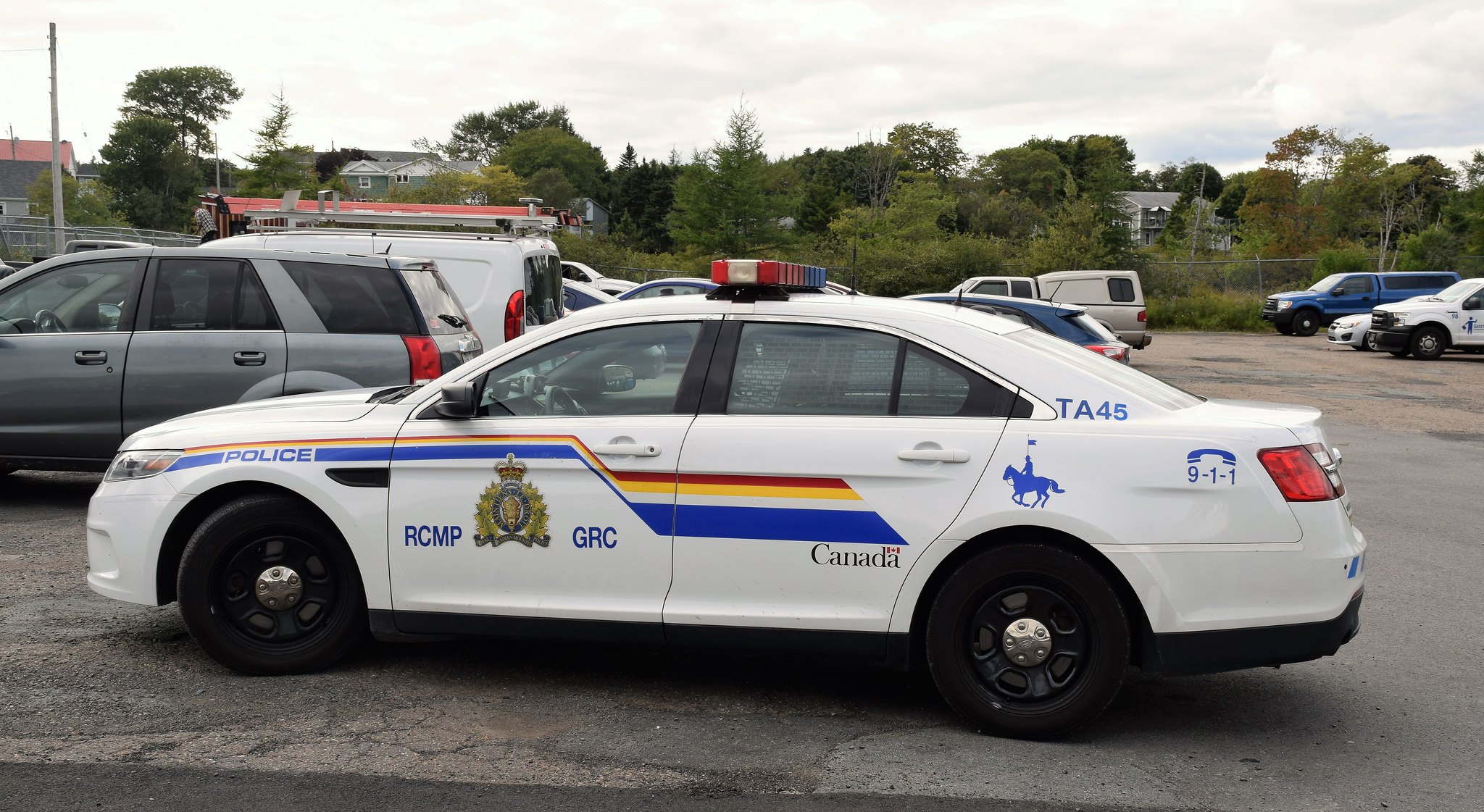
The Royal Canadian Mounted Police (RCMP) issued an apology on September 7, 2024, for the historic use of street checks and other harmful interactions with members of the African Nova Scotian community. It was an apology too long in coming, for treatment that was, in the words of Rev. Lennett Anderson, “dehumanizing and tragic.” And the RCMP's history suggests we should be deeply skeptical that the proposed action plan will be even close to what is required to remedy these grave injustices.
In his 2019 report, written for the Nova Scotia Human Rights Commission, Dr. Scot Wortley defines street checks as any occasion in which civilians are stopped by police and subjected to intrusive questions, and their personal information collected into a database. He confirmed what community members have known for years: people of African descent in the Halifax region are almost six times more likely to face street checks.
It took five years after the release of this report for the RCMP to apologize for the harms caused. They also committed to an action plan, developed in consultation with members of 13 African Nova Scotian communities and the Association of Black Social Workers. The plan involves five concrete steps:
- Increase diversity and equity training within the force with the goal of at least 60 people trained per year.
- Increase community involvement of RCMP in historic Black communities.
- Increase numbers of African Nova Scotian and racialized employees within the RCMP
- Consult the RCMP’s National Anti-Racism Unit’s race-based data collection team
- Continue annual and ongoing reporting
Rather than confidence that the organization will make real changes, these pledges inspire skepticism. And drafting the proposed actions together with community members simply allows the RCMP to maintain a façade of care for those they were created to oppress.
This is not the first time the RCMP has attempted to redress their troubled history. In 2019, the Missing and Murdered Indigenous Women and Girl’s inquiry scathingly concluded that the RCMP has repeatedly demonstrated that they cannot hold themselves to account. The testimonies in the inquiry shed light on genocidal violence enacted upon Indigenous women, girls, and 2SLGBTQQIA people — highlighting the deaths of women in police custody.
Pamela Palmater, chair in Indigenous Governance at Toronto Metropolitan University, explains, “Today’s racist government laws, policies and actions have proven to be just as deadly for Indigenous peoples as the genocidal acts of the past… What used to be scalping bounties are now Starlight tours.”
The RCMP issued a statement in 2019 promising to do better by delivering new training, strengthening investigations, increasing community engagement, and hiring more Indigenous employees — the very same promises made to the African Nova Scotian community six weeks ago.
Since August 29,2024, at least nine Indigenous people in Canada have died in police custody or as a result of police interactions. For example, wellness checks for Steven “Iggy” Dedam and Hoss Lightning-Saddleback ended in death at the hands of RCMP officers.
This is not a new phenomenon.
There is no government database to collect data on harms caused by the RCMP or other police, but there are a number of independent initiatives that attempt to do so. BC-based criminologist Jeff Shantz publishes a monthly update of reported police-involved deaths, for instance, and the CBC maintains the more narrowly focused Deadly Force database of people killed by police from 2010-2020. All such efforts are undercounts, as not all police-involved deaths are publicly reported. What we do know is that sixteen percent of people killed are Indigenous, despite making up only 5 percent of Canada’s population. Similarly, Black Canadians form 8.63 per cent of deaths and only 2.92 per cent of the population.
In response to the recent increase of Indigenous deaths, Raquel Dancho, Conservative MP, criticized Trudeau’s failed promises to reform First Nations’ policing since 2019. Will the changes proposed by the RCMP in relation to Black Nova Scotians be any more successful?
The first action item, increasing anti-Black racism training, assumes individual RCMP officers are to blame. This diverts attention from the structural racism that is at the root of the problem. Helping Mounties feel better about participating in a colonial structure placates white fragility but ignores the oppressive legacy of police (and other institutions) in Canada. An African Nova Scotian survey participant in Wortely’s report stated, “The police have been there to help destroy our communities – like they did in Africville. They are still part of a system that keeps us down and maintains the status quo.”
Instead of addressing the larger structural issues, a few African Nova Scotian people will be welcomed into the RCMP, providing credit to the organization by Black-washing the force. This is despite the fact that Wortley’s report specifically cautions against diversity hiring, as officers of African descent struggle in “the police subculture, and often engage in aggressive policing to gain the favor of their White colleagues.” Putting Black faces in the RCMP serves both to conceal structural racism and subject Black bodies to a life of white normativity.
The RCMP cannot just address the problems on the surface - we need a re-imagining of police forces. The issue at hand is not a few racist RCMP officers, but the violent policies, laws, and structures which criminalize and pathologize, shorten life spans, and trap people in poverty. Without attacking the base of structural racism, the RCMP’s action plan spreads icing on a rotten cake.
Jocelyn Thorpe, professor at University of Manitoba, explains that without larger systemic shifts, change is not possible. Arguing that the Mounties were created specifically to exert sovereignty over Indigenous peoples and their land, she was quoted by Global News as saying, "If the whole system is based on this idea that some people matter more than others, there's only so much that can be done."
In 2019, African Nova Scotian community consultations suggested other ways to improve the RCMP, including screening for racial bias in new recruits, changing performance evaluation criteria away from arrest statistics, and shifting to community policing models. All have been ignored in the 2024 action plan.
As is true in all communities, there are a diversity of analyses among African Nova Scotians about how to change policing. Along with the suggestions above, this spectrum includes calls for transformative change along the lines of activist El Jones, who says, “To shift away from policing, we also need to shift the way we resource other organizations and the way, more importantly, that we think about why we rely on police when we can rely on other strategies … defunding police is in many ways about reinvesting in fundamental and historically underfunded community resources.”
The RCMP paint themselves as a well-meaning organization, and they are one of Canada’s most recognizable symbols. However, they were designed from the beginning to maintain social control of Canadians through surveillance, harassment, and imprisonment. Historian Greg Marquis writes that the RCMP “do a lot of good work, but we also have to realize that they have to be kept accountable to the citizens. And I don’t know if our politicians are always able or willing to do that.”
Entering its 151st year, the RCMP’s love affair with white-washing colonial violence continues. We need to be able to hear the stories of injustice against people of African descent in Nova Scotia. Instead, the RCMP are controlling the narrative through political stunts such as holding the Sept 2024 apology amidst a myriad of Indigenous deaths by their hands.
In the apology, Assistant Commissioner Dennis Daley, Commanding Officer of the Nova Scotia RCMP, states “our hope is that this action plan will lead us where we need to be. We will keep working to make things right, to earn your trust, and to be the fair, respectful, and equitable RCMP that Nova Scotians deserve." I firmly believe, however, that the RCMP that all Nova Scotians deserve is one that is completely re-imagined to give power back to those they have historically oppressed.